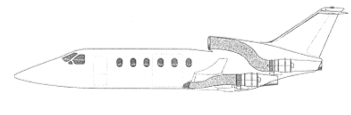
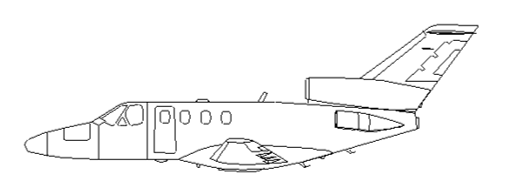
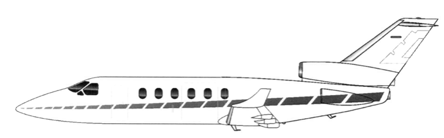
In the 1990s, a startup founded by Richard Bacon studied a similar configuration on light business jets. Working with OEMs including Pratt & Whitney and Pilatus, their results showed double-digit fuel burn and operating cost reductions were possible, despite suboptimal implementation of the configuration.
Summary of results:
(Fuel burn and operating costs compared to reference twin-engine aircraft)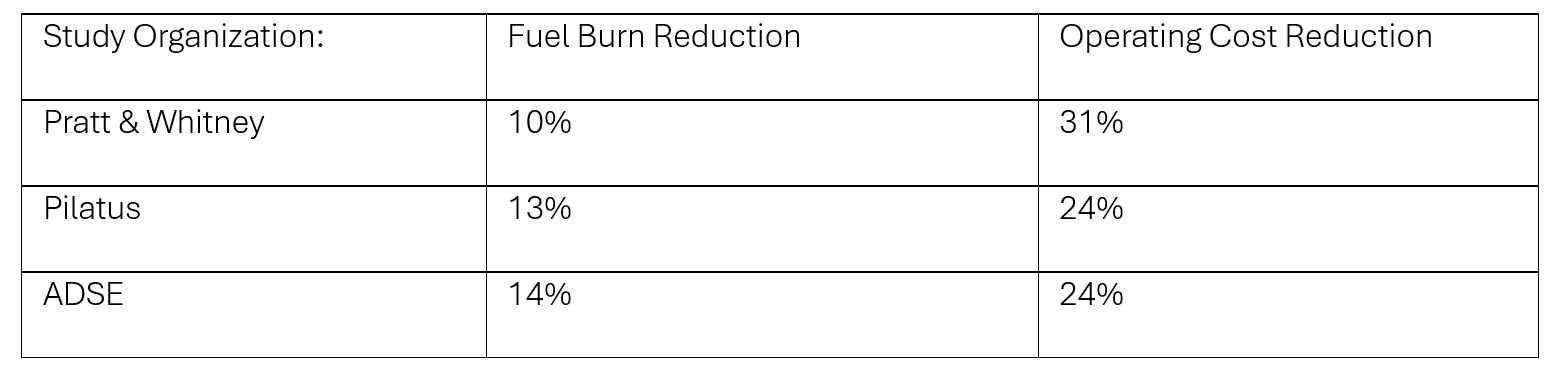
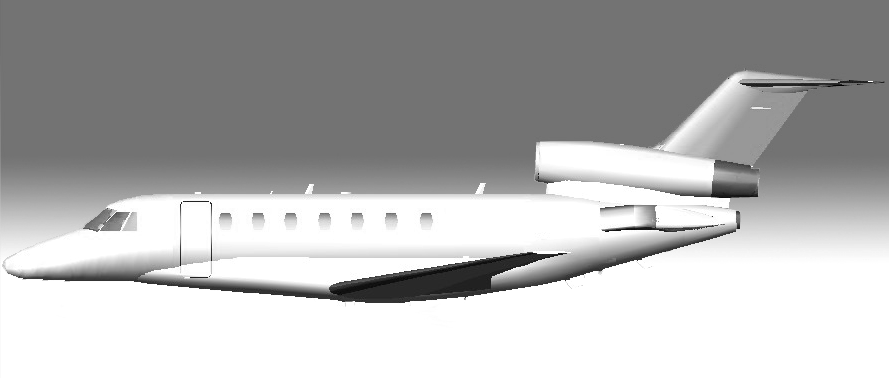

Why can we do better now?
The studies attempted to optimize for high speed and long-range cruise conditions. For this reason, the engines were larger, heavier, and more expensive to operate than necessary.
The propulsion mass fraction of turbine aircraft is inversely proportional to aircraft size. Therefore, the light jets studied required disproportionately heavy secondary engines compared to an airliner.

The advantage of variable propulsion increases with mission range because the secondary engine is shut down for a larger portion of the flight. However, the stage lengths studied were relatively short.
Open rotor engines experience larger efficiency gains in variable propulsion configurations than conventional configurations. An extra installation advantage now exists over conventional aircraft, which did not play a role in the studies.
Key supporting technologies did not exist or were not widely available at the time. Variable propulsion requires increased electrification of aircraft systems (a bleedless architecture) and advanced digital engine controls. These are now commonplace, but represented a hurdle at the time.